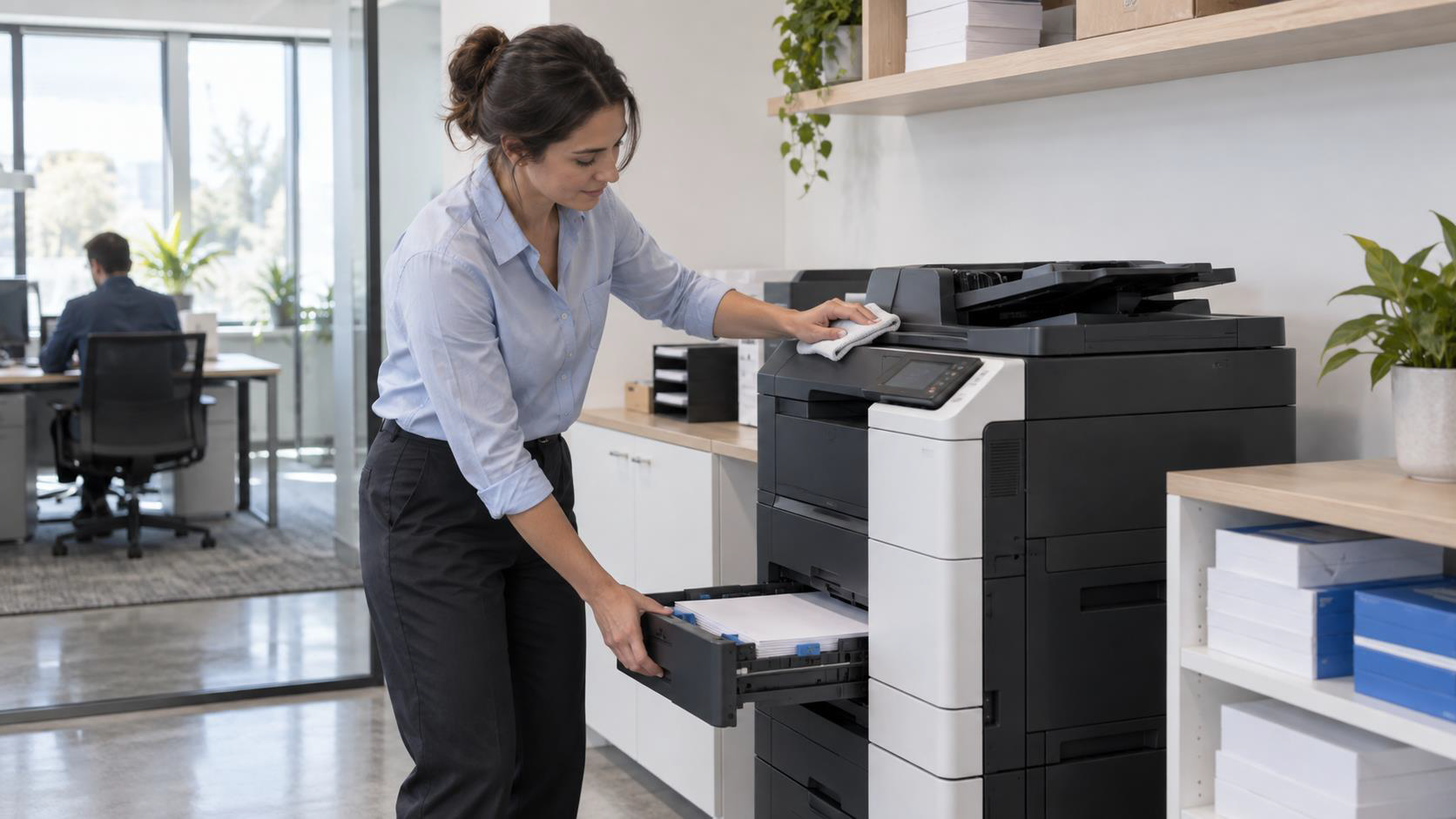
Every office needs a reliable way to keep essential supplies available without spending more than necessary. The challenge is choosing how much to order, when to reorder, and how much stock to keep on hand.
Bulk buying and just-in-time ordering solve different problems. Larger purchases can lower prices and reduce the number of orders, while smaller, more frequent orders can free up storage and keep inventory closer to current needs.
For many workplaces, the most practical approach combines both methods: buy predictable, high-use supplies in larger quantities and order variable, costly, or short-life items in smaller amounts.
Start with the Cost Beyond the Invoice
The unit price is only one part of the cost of office supplies. A bulk discount may look attractive, but the business still needs to receive, store, track, and distribute the order. Extra stock may also be damaged, misplaced, or forgotten.
Small, frequent orders have their own costs. Delivery fees, staff time, supplier minimums, and rushed purchases can reduce or eliminate the savings from carrying less inventory.
Bulk Buying
Potentially lowers the price per unit and reduces the number of purchase requests and deliveries, but requires space and inventory control.
Just-in-Time Ordering
Keeps stock closer to current demand and may reduce storage needs, but depends on reliable deliveries and timely reordering.
Compare the full cost, not just the listed price.
Include product prices, delivery charges, storage needs, employee time, and the risk of running out or purchasing more than the business can use.
When Bulk Buying Works Well

Bulk buying makes sense for supplies with steady demand and a long useful life. Copy paper, common pens, file folders, tissues, and other basic items may fit this pattern when the office uses them at a consistent rate.
Larger orders can reduce the price per unit and cut the number of purchase requests, approvals, and deliveries. They can also provide a buffer against short-term supply delays.
Conditions That Support Bulk Purchasing
- Demand is steady and reasonably predictable.
- The products have a long useful life.
- There is secure, organized storage space.
- Someone is responsible for tracking stock and reorder timing.
- The discount remains worthwhile after storage and handling costs.
Good inventory ownership matters. Someone should know what is available, where it is stored, and when it needs to be reordered.
Watch the Hidden Costs of Excess Stock
A lower unit price does not help if products sit unused. Excess inventory ties up money that could support other business needs and takes space away from records, equipment, or work areas.
Demand can change. A team may switch printer models, reduce paper use, move locations, or adopt new standards. Supplies purchased for an old process may no longer be useful.
Money Tied Up
Unneeded stock ties up budget that could be used for current priorities.
Storage Pressure
Overfilled shelves can crowd work areas and make supplies harder to find.
Changing Requirements
Equipment, teams, and procedures may change before stored supplies are used.
Inventory Waste
Unrestricted access and poor organization can lead to waste or duplicate purchases.
A bulk discount only helps when the business can use the stock.
Keep shelves organized and inventory visible so employees can find existing supplies before placing another order.
When Just-in-Time Ordering Works Well
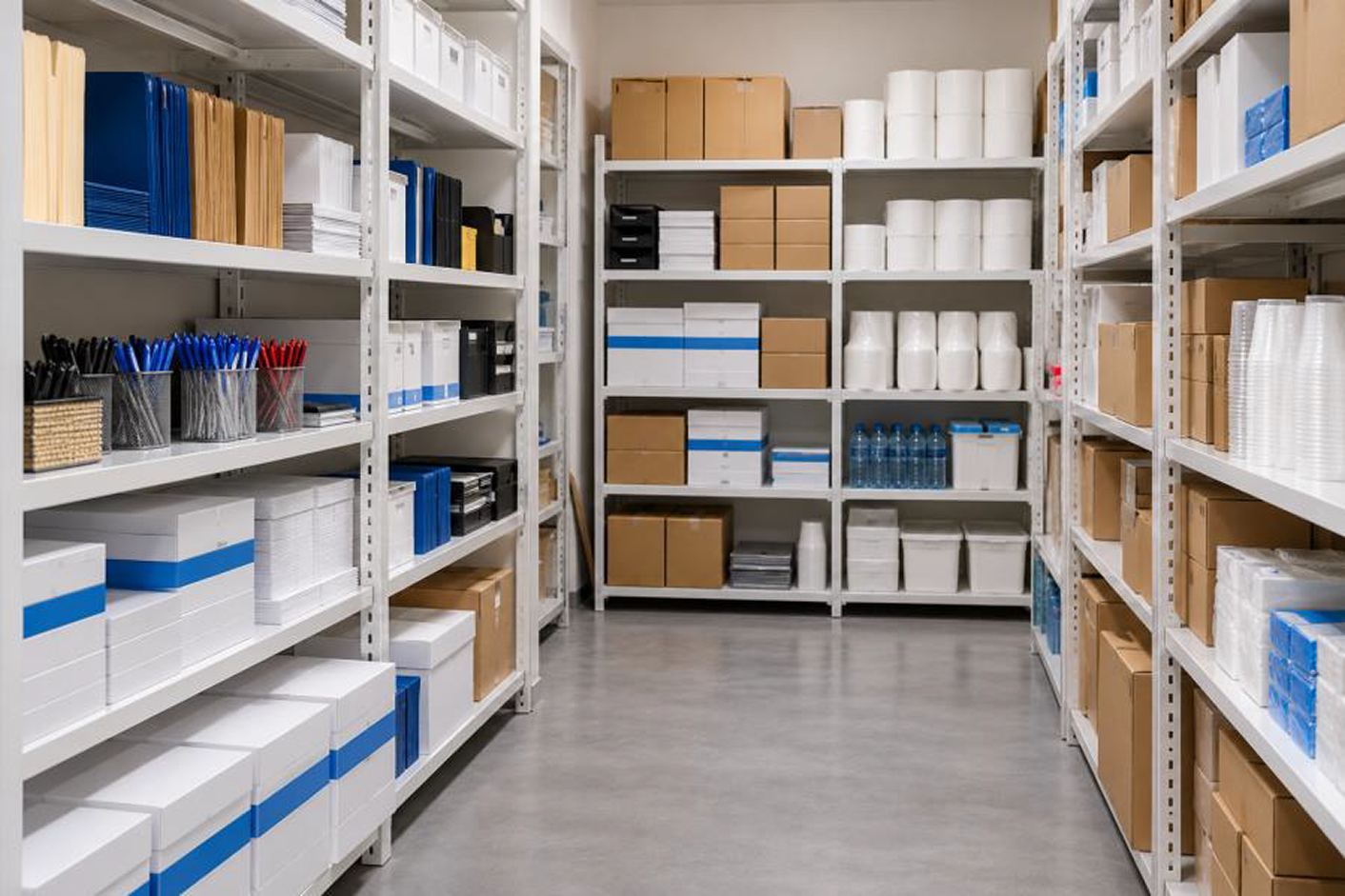
Just-in-time ordering keeps inventory closer to current demand. The office orders smaller quantities on a schedule or when stock reaches a defined level.
This method can work well for expensive items, products used by a small group, supplies that may expire, equipment-specific cartridges, and offices with limited storage.
Potential Advantages
Smaller orders can also make purchasing records more representative of recent activity, helping the business understand what it currently uses.
Plan for the Risks of Smaller Orders
Just-in-time ordering depends on reliable suppliers and accurate reorder timing. A late delivery can interrupt work when the office has little backup stock.
Frequent orders may increase delivery costs and administrative work. A low-stock alert is useful only when someone reviews it and places the order on time.
Keep a small reserve for critical supplies.
The reserve should reflect delivery time, changes in demand, and the impact of a shortage. It should not become an untracked second inventory.
Reduce the Risk of Stockouts
- Monitor stock levels and review alerts consistently.
- Account for normal supplier delivery times.
- Maintain a reasonable reserve for items that could stop work if unavailable.
- Assign clear responsibility for placing orders.
- Review supplier reliability before reducing inventory too far.
Match the Method to Each Supply Category
One rule should not cover every office supply. Group items by demand pattern, useful life, storage requirements, and the effect of a shortage.
Better Candidates for Bulk Buying
High-use products with stable demand, a long useful life, manageable storage needs, and meaningful bulk discounts.
Better Candidates for Smaller Orders
Costly items, products with uneven demand, equipment-specific supplies, or items with a shorter useful life.
Some products fall between these groups. Cleaning products, breakroom supplies, and specialty paper may need a seasonal plan based on headcount, events, or operating schedules.

Use Purchase History to Set Quantities
Past orders provide a useful starting point. Review how much the office purchased, how quickly supplies were used, and whether stockouts or excess inventory occurred.
Look for unusual purchases before setting a normal order quantity. A large event, office move, or one-time project can distort the numbers. Exclude those exceptions when they do not represent future demand.
- Track consumption by month or quarter for high-cost and high-use items.
- Compare quantities ordered with quantities actually used.
- Identify recurring shortages and excess stock.
- Keep reporting useful without creating unnecessary work for every small item.
Set Clear Reorder Points
A reorder point tells the purchasing team when to act. It should account for normal use, delivery time, and a reasonable reserve.
For example, an office that uses a product steadily and receives deliveries once a week may reorder when the remaining stock can cover the next delivery period plus its reserve. An item with uncertain supply may need an earlier trigger.
Assign clear ownership.
Decide who checks stock and who places orders. Clear responsibility prevents duplicate purchases and reduces the chance that everyone assumes someone else has handled it.
Review Supplier Terms Before Choosing a Plan
Order frequency should reflect the supplier relationship. Check minimum quantities, delivery schedules, return policies, price breaks, backorder handling, and substitutions.
Reliable, Scheduled Delivery
Dependable delivery times can make smaller, more frequent orders practical.
Long or Inconsistent Lead Times
Uncertain supply may require larger orders or a more generous reserve.
Consolidating related items with one supplier can reduce delivery charges and paperwork. The decision should still support product quality, service, and availability.
Build a Mixed Ordering Model
Most offices need both methods. Buy stable, high-use supplies in quantities the business can store and use within a reasonable period. Order variable or costly items in smaller amounts tied to actual demand.
Review the plan several times a year. Headcount, work patterns, equipment, supplier pricing, and storage needs can change. Adjust order quantities and reorder points when records show a consistent shift.
The goal is a balance: control costs while keeping essential supplies available when employees need them.
Office Solutions can help your business review supply use, select suitable products, and set an ordering plan that supports your workplace.
Ready to Find Your Office Solution?
Contact our team to discuss an office supply purchasing approach that controls costs and keeps essential items available.
Contact Us Today