Safety in the workplace is a major concern for employers. An injury that occurs during working hours can affect an employee's well-being, interrupt operations, and expose a company to potential liability.
Different jobs require different forms of protection. Depending on the work being performed, employees may need protective gloves, hardhats, fall-prevention measures, or other appropriate equipment. Employers should establish safety procedures that address the hazards present in their workplace.
Why Workplace Safety Matters
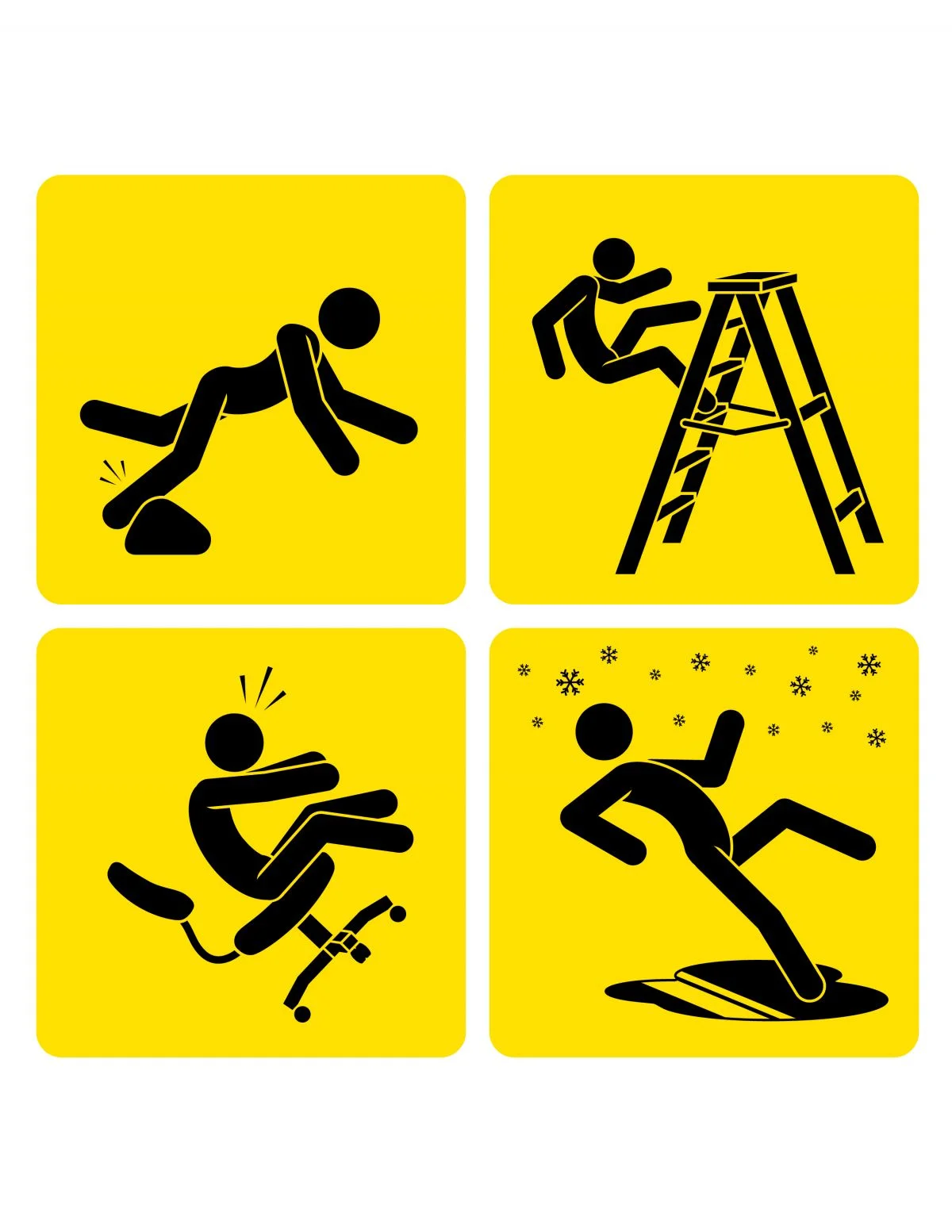
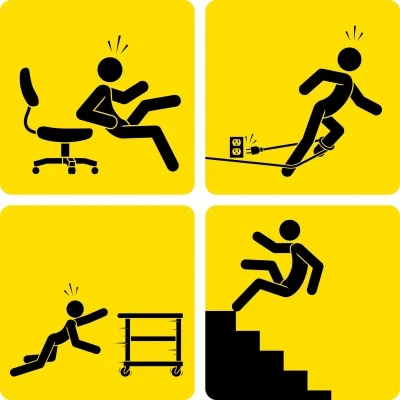
Workplace hazards can lead to serious injuries and fatalities when the right precautions are not in place. Falls, falling or moving objects, electrical hazards, and unsafe equipment are examples of risks that employers and employees should take seriously.
In the United States, the Occupational Safety and Health Administration (OSHA), part of the Department of Labor, provides and enforces workplace safety requirements. Employers should consult the standards that apply to their industry and the specific tasks their employees perform.
Prevention starts with identifying hazards.
Appropriate protective equipment, safe work procedures, properly maintained machinery, and employee training can help reduce exposure to workplace risks.
Build a Stronger Workplace Safety Culture
Workplace safety should be part of everyday operations rather than something employees consider only after an incident. Employers can support safer practices by setting clear expectations, providing suitable equipment, and ensuring workers understand the hazards associated with their roles.
5 Ways Employers Can Promote Workplace Safety
Employers can strengthen workplace safety by making practical precautions part of their daily routines. The following five measures provide a starting point for addressing common workplace risks.
1. Provide Appropriate Safety Gloves
Employees who handle hazardous materials, chemicals, sharp objects, or certain types of waste may need protective gloves appropriate to the task.
The correct glove depends on the hazard. Employers should select suitable protection and ensure employees understand how to use, inspect, and replace it.
Explore our safety glove solutions to learn more about protective options.
2. Follow Safe Ladder Practices
Falls from ladders can cause serious injuries. Employees should use the correct ladder for the task, inspect it before use, place it on a stable surface, and follow the manufacturer's instructions.
Where the task or applicable safety procedures require assistance, another trained employee should help secure the work area or stabilize the ladder as appropriate. Workers should never use an unsafe ladder or overreach while climbing.
3. Wear Hardhats in Construction Zones
Construction sites and other work areas may expose employees to falling objects, overhead hazards, or impact risks. Appropriate head protection should be worn whenever required by the identified hazards and applicable safety standards.
Employers should make sure hardhats are suitable for the hazards present, fit properly, and are inspected and replaced according to the manufacturer's guidance.
4. Maintain Machinery and Equipment Regularly
Poorly maintained machines and equipment can create hazards for employees and interrupt normal operations. Regular inspections and preventive maintenance can help identify wear, damage, and other problems before they lead to an incident.
Establish a maintenance schedule, keep appropriate records, and ensure repairs are performed by qualified personnel. Equipment should be taken out of service when it presents a safety risk.
5. Train Employees and Keep Training Records
Employees need to understand the hazards they may encounter, the procedures they must follow, and the protective equipment required for their tasks.
Provide training appropriate to each role and repeat it when tasks, equipment, or workplace conditions change. Maintain records of training and review whether employees understand and follow the procedures.
Make Safety Part of Everyday Work
Effective safety practices require more than written policies. Employees need access to appropriate protective equipment, clear instructions, maintained tools, and a way to report hazards.
Managers should encourage employees to raise safety concerns promptly and make sure reported problems are reviewed. Regular checks can help identify gaps in procedures and opportunities to improve working conditions.
- Review workplace hazards and the procedures used to control them.
- Make required protective equipment available and ensure it is used correctly.
- Inspect tools, machinery, ladders, and other equipment as appropriate.
- Provide role-specific safety training and maintain records where required.
- Encourage prompt reporting of unsafe conditions and incidents.
Understand Applicable Workplace Safety Requirements
Workplace safety requirements depend on the hazards, industry, and tasks involved. Employers should identify which federal, state, and local requirements apply to their operations and ensure that their safety procedures meet those obligations.
In the United States, OSHA provides information on workplace hazards, employer responsibilities, protective measures, and applicable safety standards.
Need guidance on workplace safety requirements?
Visit the official Occupational Safety and Health Administration (OSHA) website to review relevant safety information and standards.
Protect Your Employees Through Prevention
Workplace injuries can have serious consequences for employees and businesses. Providing appropriate protective equipment, following safe work practices, maintaining machinery, and training employees are important steps toward reducing preventable risks.
If you are concerned that your workplace may not have the appropriate safety measures in place, raise the issue with your manager or safety representative and review the requirements that apply to your work.
A safer workplace begins with preparation, consistent procedures, and a commitment to protecting every employee.
Put Workplace Safety First
Make safety a priority by reviewing workplace hazards, providing appropriate protective equipment, and ensuring your team has the training and resources it needs.
Contact Us Today